Table of Contents
- 1. Check and Replace the Air Filter Regularly
- 2. Schedule Professional Furnace Maintenance
- 3. Keep Vents and Registers Clear
- 4. Improve Your Home’s Insulation
- 5. Seal Air Leaks
- 6. Have Your Ductwork Inspected
- 7. Use a Programmable or Smart Thermostat
- 8. Don’t Crank Up the Thermostat
- 9. Consider Furnace Replacement When Appropriate
- 10. Keep Up With Other HVAC Maintenance
- Increase Your Furnace’s Energy Efficiency with Elemental Air Solutions
As summer turns to fall and colder temperatures arrive, you may be just starting to use your furnace for the first time in several months. As you transition from AC to heat, remember that your furnace can use a significant amount of energy throughout the colder months. Consider making small changes in maintenance, airflow, and habits to help boost your system’s energy efficiency.
Keep reading to learn some practical ways you can improve your furnace’s energy efficiency this fall and winter and potentially lower your home’s heating costs.
1. Check and Replace the Air Filter Regularly
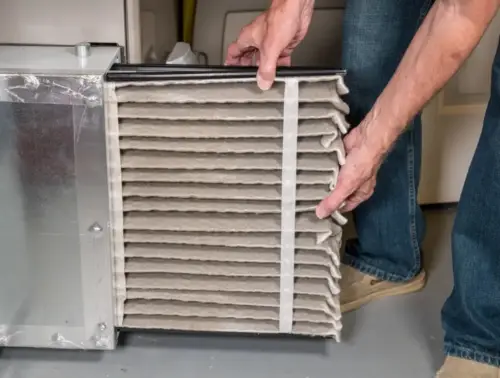
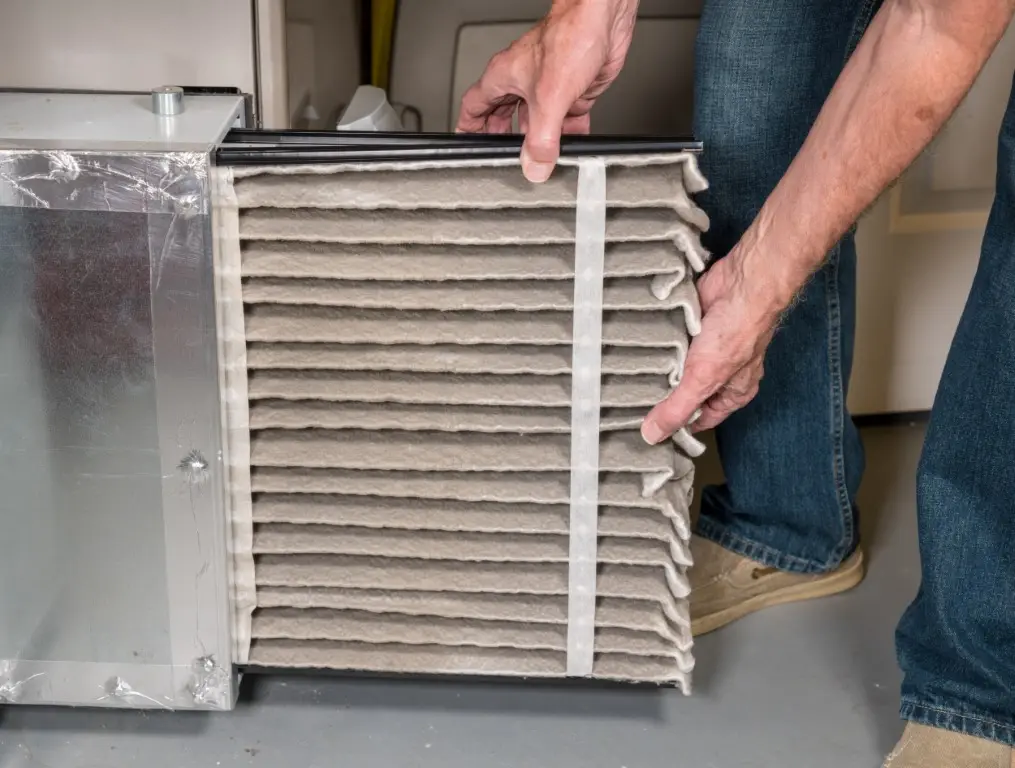
A dirty air filter restricts airflow, which requires your furnace to work harder and run longer. To increase your furnace’s energy efficiency, you should check your filters regularly and replace them as often as the manufacturer recommends — typically every 30 to 90 days. Make sure you use the right filter size for your specific HVAC system.
2. Schedule Professional Furnace Maintenance
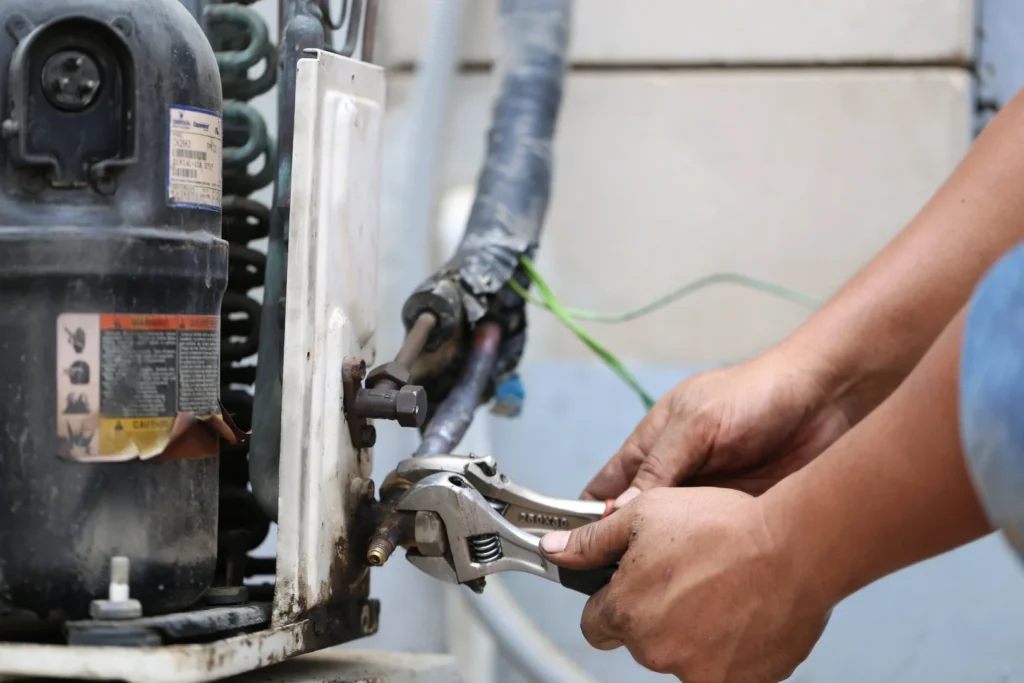
Annual furnace tune-ups before the heating season begins are essential for maintaining your HVAC system’s energy efficiency. These appointments allow technicians to inspect the burners, check the electrical components, examine the heat exchanger, test combustion, and check the airflow to ensure everything is working properly. By identifying and addressing worn or malfunctioning components, they can help the furnace operate more efficiently.
3. Keep Vents and Registers Clear
Make sure your furniture, rugs, curtains, and other items aren’t blocking the supply and return vents. Your furnace relies on proper airflow throughout the home, and without it, its energy efficiency will be affected. Additionally, avoid closing large numbers of vents in an attempt to redirect heat.
4. Improve Your Home’s Insulation
Furnace energy efficiency isn’t just about the furnace itself — your home’s insulation plays a crucial role, as well. Adequate attic, wall, and floor insulation helps prevent heated air from escaping, which means your furnace won’t have to work as hard to keep your home warm. For insulation improvements, pay special attention to areas where heat loss is common, such as attics and exterior walls.
5. Seal Air Leaks
Like with insulation, if air leaks around windows, doors, ductwork, and other openings, your furnace will have to work harder to maintain a comfortable temperature. You can help reduce drafts with weatherstripping and caulking, taking some of the burden off of your furnace.
6. Have Your Ductwork Inspected
It’s also a good idea to have your ductwork inspected. Leaky or poorly insulated ducts can waste heated air before it reaches its destination. An inspection can identify these leaks, allowing you to address and repair them to help increase your furnace’s energy efficiency. Ducts running through attics, crawl spaces, garages, or other unconditioned areas deserve particular attention.
7. Use a Programmable or Smart Thermostat
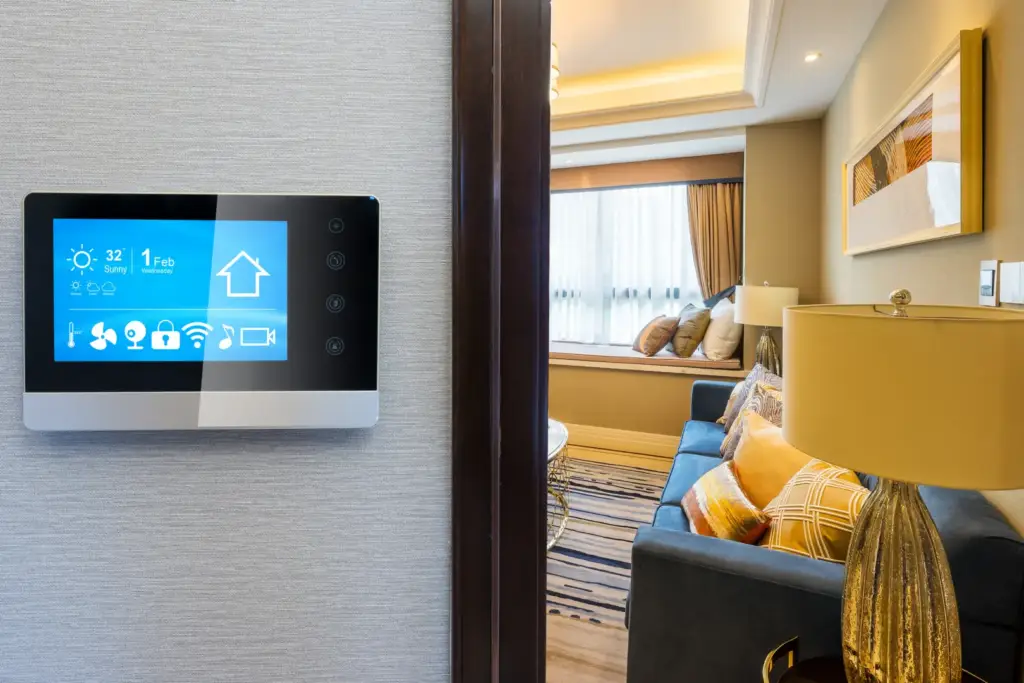
Programmable and smart thermostats can help you use your heating system more efficiently, allowing you to set schedules based on your needs. For example, you can turn the heat down a couple degrees when the home is empty or everyone is asleep, reducing the furnace’s runtime. Smart thermostats can even learn from your habits and recommend adjustments for further energy efficiency.
8. Don’t Crank Up the Thermostat
Setting the thermostat much higher than usual doesn’t make it heat your home faster; it just causes the system to run longer. Choose a comfortable, consistent temperature, and if you’re cold, put on a sweater, cuddle up under a blanket, or turn on the fireplace.
9. Consider Furnace Replacement When Appropriate
Older furnaces typically use more energy than modern models, which take advantage of the latest technology to heat your home more efficiently. If you have an aging system and have experienced frequent repairs, rising heating bills, and uneven heating, it may be time to consider replacement.
10. Keep Up With Other HVAC Maintenance
Finally, make sure you keep up with other HVAC maintenance and ensure the entire heating and cooling system is maintained properly. Airflow, ductwork, thermostat performance, and other components can influence furnace operation. Regular maintenance can also help catch developing problems before they become major malfunctions.
Increase Your Furnace’s Energy Efficiency with Elemental Air Solutions
Improving your furnace’s energy efficiency involves both maintaining your HVAC equipment and reducing heat loss throughout your home. Start with simple steps such as changing the filter and keeping the vents clear, and make sure you schedule your furnace tune-ups every fall to ensure your furnace is operating safely and efficiently.
If you need furnace maintenance, repair, or replacement services, call Elemental Air Solutions today, and we’ll get you taken care of!